Netanya neighbourhoods: a guide
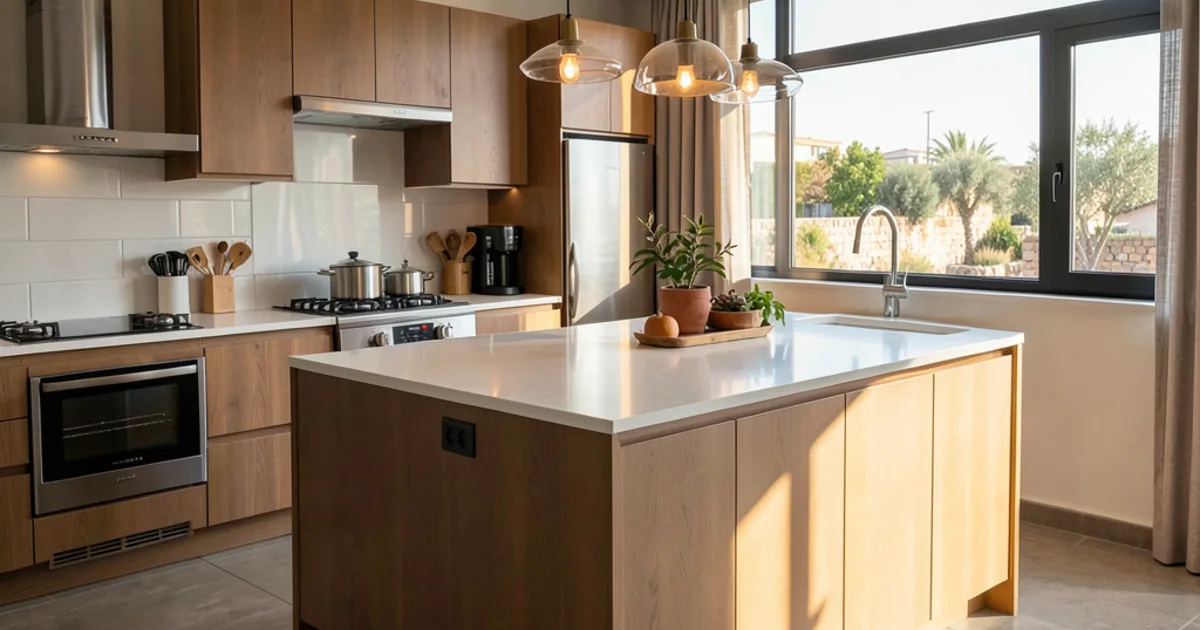
Netanya is far more than just a beautiful seaside destination; it is a multifaceted urban landscape offering a variety of lifestyles for every type of resident. From the high-end luxury of the beachfront to the established, family-oriented streets of the inner city, the city presents a diverse array of choices. Choosing the right neighbourhood is a decision that impacts not only your daily lifestyle but also your long-term financial investment. This comprehensive guide explores the distinct characteristics of Netanya's most prominent areas to help you navigate your relocation or investment journey with confidence.
- The High-End Seafront: Ir Yamim and Coastal Luxury
- The Modern Coastal Vibe: Poleg and New Developments
- The Urban Heart: Central Netanya and City Living
- Established Residential Life: Kiryat HaSharon and Nitza
- Understanding Local Taxation: Mas Rekhisha and Mas Shevah
- Managing Ongoing Costs: Arnona and Building Maintenance
- The Legal Journey: Tabu and the Binding Memorandum
- Financing Your Dream: Navigating Mashkanta
- Settling In: Language, Ulpan, and Community
- Investment Potential: Long-Term Value in Netanya
- Making the Final Decision: A Checklist for Buyers
The High-End Seafront: Ir Yamim and Coastal Luxury
Ir Yamim stands as one of the most prestigious residential areas in Netanya, offering a lifestyle that many associate with luxury and modern convenience. This neighbourhood is characterized by its high-rise architecture, which provides many residents with breathtaking, unobstructed views of the Mediterranean Sea. The development is designed with a focus on premium living, featuring wide promenades and high-quality construction standards. It is a primary choice for those who seek a sophisticated, resort-like atmosphere within an urban setting.
The lifestyle in Ir Yamim is often defined by its proximity to high-end amenities and recreational facilities. Residents can enjoy easy access to beach clubs, upscale dining, and well-maintained public spaces that cater to a more affluent demographic. While the area is highly desirable, it is important to note that the cost of living and property prices tend to reflect this premium status. The community often attracts international buyers and professionals looking for a seamless blend of sea and city.
For many, the appeal of Ir Yamim lies in the sense of exclusivity and the modern infrastructure that supports a high standard of living. The neighbourhood is meticulously planned, ensuring that even with high density, the aesthetic remains cohesive and elegant. However, potential residents should be aware that the high-rise nature of the area may differ significantly from the more traditional, low-rise residential feel found elsewhere in the city. It is a neighbourhood built for the modern era of coastal living.
- Unobstructed Mediterranean views
- High-standard modern architecture
- Proximity to luxury beach amenities
- Sophisticated, upscale community atmosphere
The Modern Coastal Vibe: Poleg and New Developments
Poleg represents the more contemporary, dynamic side of Netanya's coastal expansion. This area has seen significant development in recent years, attracting a younger, professional demographic that values both modern living and proximity to the sea. The neighbourhood is often characterized by newer apartment complexes that feature contemporary designs and integrated amenities. It offers a balance between the tranquility of the coast and the energy of a growing urban centre.
One of the significant advantages of the Poleg area is its proximity to major employment hubs and technological parks. This makes it an ideal location for professionals who wish to avoid long commutes while still enjoying a coastal lifestyle. The area is well-connected to the main arterial roads, providing easy access to both Netanya's centre and the surrounding regions. This connectivity is a key driver for the area's ongoing growth and popularity.
The social fabric of Poleg is often more relaxed and modern compared to the older, more traditional parts of the city. You will find a mix of young families, tech professionals, and active retirees who appreciate the blend of nature and urbanity. While the area is still evolving, the trend points toward a highly desirable, lifestyle-oriented district. It is a neighbourhood that feels both fresh and forward-looking.
- Ideal for young professionals and tech workers
- Modern residential complexes with contemporary design
- Excellent connectivity to major transport routes
- A blend of coastal leisure and urban energy
The Urban Heart: Central Netanya and City Living
The City Centre of Netanya serves as the pulse of the municipality, offering an urban lifestyle that is both vibrant and convenient. This area is characterized by its high density, bustling streets, and proximity to essential services such as banks, shops, and government offices. Living in the centre means being within walking distance of much of the city's daily activity. It is a place where the urban rhythm is always present.
For those who prefer a more traditional urban experience, the central districts offer a mix of older, characterful buildings and newer residential projects. The diversity of housing types allows for a wide range of price points and living arrangements. The convenience of having everything from local markets to larger shopping centres nearby is a significant draw for many residents. It is an area that caters well to those who value efficiency and accessibility.
While the centre is incredibly convenient, it also presents the typical challenges of city living, such as higher noise levels and more crowded public spaces. The pace of life here is faster, and the infrastructure is designed to handle constant movement. For residents who enjoy the energy of a city and want to be at the heart of all things Netanya, the central area is an unmatched option. It is the quintessential urban core.
- Unmatched access to shops, banks, and services
- Diverse range of housing types and price points
- High walkability and urban convenience
- Vibrant, energetic atmosphere
Established Residential Life: Kiryat HaSharon and Nitza
If you are searching for a more settled, family-oriented environment, neighbourhoods like Kiryat HaSharon and Nitza are excellent choices. These areas are known for their established residential character, often featuring quieter streets and more greenery than the city centre or the beachfront. They provide a sense of stability and community that is highly valued by long-term residents. The atmosphere here is generally more tranquil and suburban.
Kiryat HaSharon, in particular, is often viewed as a hub for families due to its proximity to quality educational institutions and local parks. The infrastructure in these neighbourhoods is well-developed, with a focus on residential comfort and community cohesion. Many of the homes in these areas are part of older, well-maintained blocks or more recent, medium-density developments. This makes them suitable for various stages of family life.
Nitza offers a similar sense of established living, providing a refuge from the more hectic coastal or central districts. The lifestyle here is centered around local community life, with neighbourhood shops and small parks serving as social anchors. For those moving to Netanya with children, these areas offer the kind of predictable and safe environment that many parents prioritize. It is the heart of Netanya's residential stability.
- Quiet, family-friendly residential streets
- Proximity to schools and local parks
- Established community feel and stability
- Suburban atmosphere with easy urban access
Understanding Local Taxation: Mas Rekhisha and Mas Shevah
Navigating the Israeli real estate market requires a clear understanding of the tax implications associated with property transactions. One of the primary taxes you will encounter is Mas Rekhisha, commonly known as the purchase tax. This tax is levied on the buyer and its rate can vary significantly depending on several factors. These factors include whether the buyer is a first-time purchaser, their residency status, and the total value of the property being acquired.
It is crucial to calculate your potential Mas Rekhisha obligations before entering into a binding agreement. The tax structure is tiered, meaning that higher-value properties may fall into different percentage brackets. For many buyers, understanding these tiers is essential for accurate budgeting. Failing to account for this tax can lead to unexpected financial strain during the closing process of your real estate transaction.
Another important tax to consider is Mas Shevah, which is the capital gains tax applied when a property is sold. This tax is typically levied on the profit made from the sale of a real estate asset. There are various exemptions and nuances regarding Mas Shevah, such as those related to a primary residence, that can significantly impact the final amount owed. A thorough understanding of both taxes is vital for any serious buyer or investor.
- Mas Rekhisha (Purchase Tax) is paid by the buyer
- Mas Shevah (Capital Gains Tax) applies to the seller's profit
- Tax rates depend on residency and property value
- Exemptions may apply to primary residences
Managing Ongoing Costs: Arnona and Building Maintenance
Owning property in Netanya involves more than just the initial purchase price; you must also account for ongoing municipal and building-related costs. The most prominent of these is Arnona, the municipal property tax. Arnona is a recurring charge levied by the municipality to fund local services such as waste collection, street lighting, education, and infrastructure maintenance. The amount of Arnona you pay is typically determined by the type of property and its size or location.
In addition to Arnona, residents in multi-unit buildings must manage building maintenance fees, often referred to as 'Va'ad HaBayit'. These fees cover the upkeep of common areas, such as elevators, hallways, swimming pools, and security services. In high-end areas like Ir Yamim, these fees can be higher due to the extensive amenities and luxury facilities provided. It is important to factor these monthly or quarterly costs into your long-term budget.
Effective management of these costs is essential for maintaining the value of your property and your quality of life. For buyers, it is a prudent step to ask about the historical Arnona rates and the current standing of the building's maintenance fund. Being aware of these recurring expenses ensures that there are no surprises after you have moved into your new home. These costs are a standard part of the Israeli residential experience.
- Arnona: Municipal tax for local services
- Va'ad HaBayit: Fees for building maintenance and common areas
- Costs vary by property type and luxury level
- Budgeting for recurring expenses is essential
The Legal Journey: Tabu and the Binding Memorandum
The process of purchasing real estate in Israel involves several critical legal steps that protect both the buyer and the seller. A fundamental part of this process is verifying the property's status in the Tabu, which is the official land registry. The Tabu provides the definitive record of ownership and any existing liens, mortgages, or legal encumbrances on the property. Ensuring that the property is correctly registered in the Tabu is a non-negotiable step in a secure transaction.
Once the due diligence is complete, the transaction moves toward the creation of the binding memorandum, known in Hebrew as the 'Hovah Kvi'ah'. This document is the formal contract that outlines the terms and conditions of the sale, including the price, the closing date, and any specific contingencies. It is a legally binding agreement that sets the foundation for the entire transfer of ownership. Once signed, it carries significant legal weight for both parties.
It is highly recommended to involve a legal professional to oversee the drafting and review of the binding memorandum. A professional can ensure that all necessary protections are included and that the interests of the buyer are adequately represented. From checking the Tabu to finalizing the memorandum, following these formal legal steps is the only way to ensure a smooth and secure property transfer. Skipping these steps can lead to severe legal complications.
- Tabu: The official land registry for ownership verification
- Hovah Kvi'ah: The binding memorandum/contract
- Verification of liens and encumbrances is vital
- Professional legal oversight is strongly advised
Financing Your Dream: Navigating Mashkanta
For many buyers, acquiring property in Netanya requires securing financing through a Mashkanta, which is the Israeli term for a mortgage. The Mashkanta process involves working with financial institutions to borrow funds against the value of the property. The terms of the mortgage, including the interest rate, the duration of the loan, and the repayment structure, will significantly impact your monthly financial commitments. It is a major component of the real estate journey.
When applying for a Mashkanta, banks will evaluate your financial stability, income, and existing debt obligations. They will also consider the value and type of the property being used as collateral. It is important to understand the difference between fixed-rate and variable-rate mortgages, as this can affect how your payments change over time. Being well-prepared with financial documentation is key to a successful application process.
Securing a mortgage is not just about getting the funds; it is about finding a structure that fits your long-term financial plan. Some buyers may choose to combine a Mashkanta with personal savings to reduce the total debt, while others may rely more heavily on financing. Understanding the total cost of borrowing, including any bank fees or insurance requirements, is essential for a balanced approach to homeownership. Always approach financing with a clear and cautious strategy.
- Mashkanta: The mortgage process in Israel
- Terms include interest rates and repayment duration
- Bank evaluation depends on income and property value
- Consider both fixed and variable rate options
Settling In: Language, Ulpan, and Community
Relocating to a new country involves more than just finding a house; it requires integrating into a new culture and community. For many newcomers to Netanya, learning Hebrew is a vital part of this transition. While English is widely spoken in many professional and tourist areas, the ability to communicate in Hebrew is essential for navigating daily life, such as dealing with local administration, schools, and healthcare. This linguistic integration facilitates a much smoother transition.
To assist with this, many residents enroll in an Ulpan, which is an intensive Hebrew language school designed for immigrants. Ulpans provide a structured environment to learn the language and gain cultural insights simultaneously. Engaging in an Ulpan not only improves your communication skills but also serves as a social gateway to meeting other newcomers and locals. It is a foundational step in building a new life in Israel.
Beyond language, settling into a Netanya neighbourhood often involves finding local community hubs, whether they are synagogues, community centres, or local parks. Building a social network is crucial for long-term happiness and successful integration. Whether you are moving to a high-rise in Ir Yamim or a family street in Kiryat HaSharon, the effort to engage with your neighbours and local institutions will enrich your experience in the city.
- Hebrew language skills are vital for daily integration
- Ulpan: Intensive Hebrew learning for newcomers
- Community engagement aids social integration
- Local institutions provide essential support networks
Investment Potential: Long-Term Value in Netanya
From an investment perspective, Netanya offers a variety of opportunities depending on your goals. Some investors focus on the high-end seafront properties, which often see strong demand for luxury rentals and high-value appreciation. These properties appeal to a global market and offer a different risk-reward profile compared to more urban residential units. The demand for coastal living remains a consistent driver in the Israeli real estate market.
Other investors may look toward the growing areas like Poleg or the expanding central districts, where the potential for rental yield from young professionals is significant. These areas often benefit from urban growth and infrastructure improvements, which can drive long-term value. Diversifying your approach by looking at different neighbourhood types can help in managing the risks associated with real estate investment. It is important to analyze the specific dynamics of each area.
When evaluating any investment, it is crucial to consider the total cost of ownership, including Mas Rekhisha, Arnona, and maintenance fees. A property that looks attractive on paper may have high carrying costs that diminish your net returns. Always conduct thorough market research and consider the long-term trends of the specific neighbourhood. A measured and informed approach is the best way to approach real estate as a financial asset.
- Seafront properties target luxury and global markets
- Urban and growing areas offer rental yield potential
- Consider total carrying costs when calculating returns
- Neighbourhood-specific research is essential for investors
Making the Final Decision: A Checklist for Buyers
Choosing the right neighbourhood in Netanya is a multifaceted process that requires balancing lifestyle preferences with financial realities. Start by defining your primary needs: do you prioritize proximity to the beach, or do you need to be near schools and transport links? Understanding your 'must-haves' versus your 'nice-to-haves' will significantly narrow down your search. A clear set of priorities prevents decision fatigue during the viewing process.
Once you have identified potential areas, conduct on-site visits at different times of the day. A neighbourhood that feels peaceful on a Tuesday morning might be quite different on a busy Friday afternoon. Observe the local amenities, the state of the infrastructure, and the general atmosphere of the streets. This practical observation provides insights that no brochure or website can offer. It is about feeling the rhythm of the area.
Finally, ensure that your financial and legal due diligence is completed with professional assistance. Verify the Tabu, understand your tax obligations, and ensure your Mashkanta is secured. A successful move to Netanya is built on a foundation of careful planning and thorough investigation. By following this structured approach, you can move into your new home with peace of mind and confidence in your choice.
- Define lifestyle priorities and non-negotiables
- Visit neighbourhoods at various times of day
- Perform thorough on-site observations
- Complete all legal and financial due diligence
FAQ
What is the difference between Mas Rekhisha and Mas Shevah?
Mas Rekhisha is the purchase tax paid by the buyer when acquiring a property, with rates based on the buyer's status and property value. Mas Shevah is the capital gains tax paid by the seller on the profit realized from the sale of the property.
How does the Tabu land registry work?
The Tabu is the official government registry that records property ownership and legal encumbrances. Checking the Tabu is a critical step to ensure the seller has the legal right to sell and that there are no hidden liens on the property.
Is it necessary to learn Hebrew before moving to Netanya?
While many people speak English in Netanya, learning Hebrew is highly recommended for full integration. It will make daily tasks like dealing with the municipality, doctors, and schools much easier and more efficient.
What is a binding memorandum in Israeli real estate?
A binding memorandum, or Hovah Kvi'ah, is the formal contract that outlines all terms of the property sale. It is a legally binding document that dictates the price, closing dates, and all specific conditions of the transaction.
How do I estimate my monthly municipal costs?
Municipal costs include Arnona (property tax) and Va'ad HaBayit (building maintenance). You can estimate these by asking local agencies or checking with the Netanya municipality, as rates vary by property size and location.
Get your personalised shortlist
Listings and up-to-date info, straight to your inbox, free, no obligation.
See Netanya homes →