Buying a home in Netanya
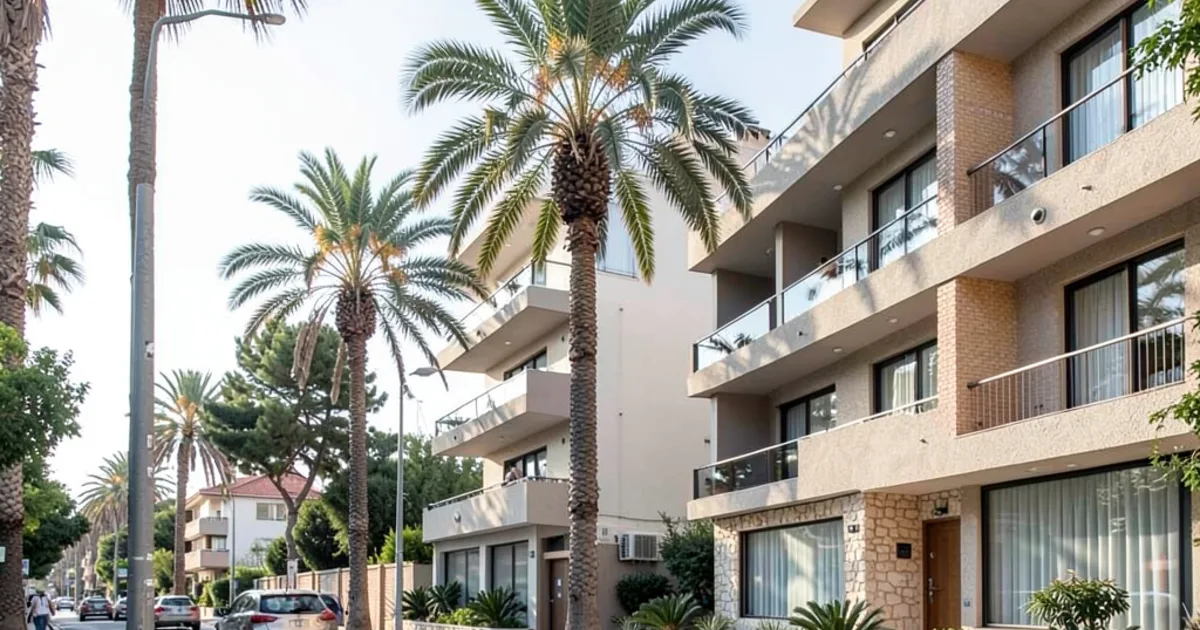
Netanya has long been celebrated as a premier seaside destination, offering a unique blend of urban convenience and coastal relaxation. For those looking to invest in property, the city presents a diverse array of opportunities ranging from luxury beachfront high-rises to charming central apartments. However, entering the Israeli real estate market involves navigating specific legal frameworks, tax structures, and cultural nuances. This guide provides an in-depth look at everything you need to know to successfully purchase a home in this vibrant coastal city.
Quick answer: Netanya is a popular coastal city for French buyers due to its established international community and direct connections to France. The purchase process follows standard Israeli legal procedures, requiring a local attorney and a title deed registration, with no specific restrictions for French citizens.
- The Allure of Netanya: Why Consider This Coastal City?
- Mapping Netanya: Choosing the Right Neighborhood
- Navigating the Legal Framework of Israeli Property
- Understanding the Financial Landscape and Taxes
- The Practicalities of the Property Search Process
- Critical Due Diligence: Protecting Your Investment
- Building Your Professional Support Team
- Managing Post-Purchase Ownership and Expenses
- Transitioning to Life in Netanya
- Overcoming Common Challenges for International Buyers
The Allure of Netanya: Why Consider This Coastal City?
Netanya stands as one of Israel's most sought-after residential hubs, primarily due to its stunning Mediterranean coastline and its reputation for a high quality of life. The city offers a balanced lifestyle that appeals to a wide demographic, including young professionals, growing families, and retirees looking for a tranquil environment. Unlike the frantic pace of central metropolitan areas, Netanya provides a sense of space and a slower rhythm while remaining exceptionally well-connected to major economic centers. This unique positioning makes it a resilient choice for both primary residences and long-term real estate investments.
The city's infrastructure has seen significant development, with modern shopping centers, healthcare facilities, and educational institutions catering to an international population. The presence of various parks, promenades, and beach clubs enhances the daily living experience, making it more than just a place to reside. Furthermore, the city's ability to host a diverse community, from tech-savvy locals to international residents, creates a cosmopolitan atmosphere that is rare for a seaside town. This diversity ensures that the local economy remains robust and the real estate market remains dynamic.
Beyond the physical amenities, the psychological benefit of living near the sea cannot be overstated. The Mediterranean breeze and the constant proximity to nature contribute to a lifestyle focused on wellness and leisure. For many, the decision to move to Netanya is driven by a desire for this specific environmental harmony. As the city continues to expand and modernize, the demand for well-located properties remains consistently strong, reflecting its status as a premier destination for those seeking a coastal lifestyle in Israel.
- Proximity to the Mediterranean coastline and recreational beaches.
- A diverse demographic offering a cosmopolitan social environment.
- Strong infrastructure including medical, educational, and retail facilities.
- A balanced lifestyle that blends urbanity with seaside relaxation.
Mapping Netanya: Choosing the Right Neighborhood
Selecting the ideal neighborhood is perhaps the most critical step in your journey, as each district in Netanya offers a distinct character and price point. For those seeking the pinnacle of luxury and modern architecture, the northern coastal areas such as Ir Yamim and Poleg are highly desirable. These neighborhoods are characterized by newer developments, spacious floor plans, and high-end amenities that often include private parking and landscaped communal spaces. They are particularly popular among families who prioritize safety, modern aesthetics, and immediate access to the beach.
In contrast, the Nitza area and the traditional seafront districts offer a more established and prestigious atmosphere. These areas often feature classic luxury properties that have been well-maintained over the years, providing a sense of history and permanence. Residents here enjoy unparalleled views of the Mediterranean and are often within walking distance of the city's most exclusive dining and leisure spots. While the properties may not always feature the latest smart-home technology found in newer builds, the prestige associated with these locations is undeniable.
For buyers looking for urban convenience and a more central lifestyle, the City Centre and areas like Kiryat HaSharon offer a different set of advantages. These neighborhoods are more densely populated and provide immediate access to public transportation, local markets, and essential services. The housing stock here is more varied, ranging from older, character-filled apartments to renovated units that cater to a more active, city-oriented lifestyle. While these areas may lack the quietude of the northern suburbs, they offer a level of accessibility that is hard to match.
- Ir Yamim and Poleg: Modern, family-oriented, and luxury-focused.
- Nitza and Seafront: Established, prestigious, and scenic.
- City Centre and Kiryat HaSharon: Urban, accessible, and vibrant.
- Neighborhood choice should align with your lifestyle priorities and budget.
Navigating the Legal Framework of Israeli Property
Understanding the legalities of property ownership in Israel is essential to avoid significant complications during a transaction. The primary authority for land registration is the Tabu, which serves as the official land registry. It is imperative that any property you consider is correctly registered in the Tabu, as this provides the legal proof of ownership and ensures that the seller has the right to transfer the title. A property that is not properly registered or has discrepancies in the Tabu can lead to lengthy and expensive legal battles.
The actual purchase process is governed by a document known as the binding memorandum, or the sales contract. This document is the cornerstone of the transaction and outlines all the terms, conditions, and obligations of both the buyer and the seller. It covers everything from the final purchase price and payment schedule to the handover date and any warranties regarding the property's condition. Because this document is legally binding, it is crucial that it is drafted and reviewed with extreme care by a qualified legal professional.
During the negotiation and signing phases, several legal checks must be performed to ensure the property is free of encumbrances. This includes verifying that there are no outstanding liens, mortgages, or legal claims against the property that could affect your ownership. Your lawyer will also examine building permits and municipal records to ensure that any existing structures or renovations on the property were completed in compliance with local regulations. Failing to perform these checks can result in inheriting legal liabilities from the previous owner.
Understanding the Financial Landscape and Taxes
Preparing for the financial realities of buying a home in Netanya requires more than just having the purchase price ready. One of the most significant additional costs is the Mas Rekhisha, or purchase tax. This is a progressive tax levied by the state, meaning the rate increases based on the total value of the property and your status (such as whether you are a first-time buyer). It is vital to calculate this cost accurately within your budget, as it is an upfront expense that cannot be rolled into a mortgage.
When financing your purchase, most buyers utilize a Mashkanta, which is the Israeli term for a mortgage. The mortgage process involves several stages, including credit assessment and the selection of various interest rate tracks. It is advisable to consult with a specialized mortgage advisor who can help you navigate the different options available from various banks. They can help you structure a loan that balances your monthly repayment capacity with the long-term goal of minimizing interest costs over the life of the loan.
It is also important to be aware of other tax-related considerations, such as Mas Shevah, which is the capital gains tax paid by the seller. While this is typically the responsibility of the seller, it can sometimes influence the final negotiated price of the property. Additionally, once you become an owner, you will be responsible for the Arnona, the municipal property tax. This tax is calculated based on the size and location of the property and is a recurring annual expense that must be factored into your ongoing cost of living calculations.
- Mas Rekhisha: A progressive purchase tax based on property value.
- Mashkanta: The mortgage required for most property acquisitions.
- Mas Shevah: Capital gains tax, typically managed by the seller.
- Arnona: Ongoing municipal tax based on property size and location.
The Practicalities of the Property Search Process
The search for a home in Netanya should be approached with both patience and a structured methodology. Many buyers begin by browsing online listings, but it is important to remember that the most desirable properties often move quickly. Engaging with a local real estate agency can provide you with access to a broader range of properties, including those that may not yet be widely advertised. A local agent can offer valuable insights into market trends, neighborhood nuances, and the specific motivations of sellers in different areas.
When viewing properties, it is crucial to look beyond the initial aesthetic appeal of a renovated kitchen or a fresh coat of paint. You should inspect the structural integrity of the building, the condition of the plumbing and electrical systems, and the quality of the windows, especially in coastal areas where salt air can cause rapid wear. It is also wise to visit the neighborhood at different times of the day and on different days of the week. This allows you to assess noise levels, traffic congestion, and the general atmosphere of the street, which can change significantly from a quiet weekday morning to a busy weekend evening.
During your inspections, pay close attention to the communal aspects of the building. In many Netanya developments, especially in the newer northern districts, there are shared facilities like parking, gardens, or gyms. You should inquire about the management of these facilities and the costs associated with their upkeep. Understanding the 'Va'ad Bayit' (building committee) structure and the existing rules for the building can prevent unexpected social or financial friction once you have moved in.
Critical Due Diligence: Protecting Your Investment
Due diligence is the process of verifying all facts regarding the property before you commit to a purchase. This goes much deeper than a simple walkthrough; it involves a thorough investigation of the property's legal and physical history. A primary component of this is reviewing the municipal files to ensure that all renovations, extensions, or even balcony additions were officially permitted. In many cases, properties may have 'informal' additions that were never legalized, which can lead to fines or even orders to demolish the structures later on.
Another layer of due diligence involves checking the architectural and structural health of the building. For older properties in the city center or established seafront areas, it is often prudent to hire a professional inspector to check for signs of water damage, foundation issues, or cracks in the walls. In a coastal environment like Netanya, checking for corrosion in metal elements and the condition of exterior facades is particularly important. Investing in a professional inspection can save you from discovering catastrophic repair costs shortly after moving in.
Finally, you must verify the financial standing of the building's management. If the property is part of a larger complex or a high-rise, there may be significant communal debts or pending legal issues regarding the building's maintenance. Requesting recent statements from the building committee can reveal whether the 'Va'ad Bayit' fees are being managed effectively or if a sudden, large assessment is being planned for upcoming repairs. Thorough due diligence is the only way to ensure that your new home is a secure and stable asset.
Building Your Professional Support Team
Navigating the Israeli real estate market is a complex undertaking that is best handled with a team of qualified professionals. The most essential member of this team is a specialized lawyer. Unlike some jurisdictions where a notary or a simple contract might suffice, the Israeli process requires a lawyer to navigate the Tabu, draft the binding memorandum, and ensure that all legal protections are in place. A lawyer's role is to act as your advocate, identifying potential risks that an untrained eye would surely miss.
In addition to legal counsel, a notary may be required for various administrative tasks, such as certifying signatures on official documents or translating certain legal papers. While the lawyer handles the substance of the transaction, the notary provides the formal authentication required by public institutions. It is also highly recommended to work with a mortgage advisor if you are financing the purchase. These advisors have deep connections with various banks and can often secure terms that a buyer might not be able to negotiate independently.
A local real estate agent can also serve as a vital resource, acting as a bridge between you and the market. While the agent's primary role is to facilitate the search and connection, their local knowledge can be invaluable during the negotiation phase. They understand the local 'pulse' and can help you determine if a seller's asking price is aligned with current market realities. By combining the expertise of a lawyer, a mortgage advisor, and a local agent, you create a robust support structure that minimizes risk and maximizes efficiency.
- Lawyer: Essential for legal drafting, Tabu verification, and contract protection.
- Notary: Necessary for document authentication and official certifications.
- Mortgage Advisor: Helps navigate Mashkanta options and bank negotiations.
- Real Estate Agent: Provides market insight and facilitates the property search.
Managing Post-Purchase Ownership and Expenses
The financial commitment of homeownership continues long after the keys have been handed over. One of the most consistent monthly expenses is the Arnona, the municipal tax. This tax is used by the Netanya municipality to fund local services such as waste collection, street lighting, and public parks. The amount you pay will depend on the property's size, usage (residential vs. commercial), and specific location within the city. It is a mandatory expense that should be factored into your monthly budget from the very beginning.
For residents of apartment buildings, the 'Va'ad Bayit' or building committee fees are another significant consideration. These fees cover the maintenance of common areas, such as elevators, hallways, lighting, and sometimes even swimming pools or security services. In newer, high-end developments in areas like Ir Yamim, these fees can be considerably higher due to the extensive amenities provided. It is important to understand what these fees cover and whether they are subject to periodic increases for major building maintenance projects.
Beyond these regular taxes and fees, you should also budget for general home maintenance and utility costs. Living in a seaside city means that the environment can be demanding on a property; salt air can affect paintwork, metal fixtures, and air conditioning units more rapidly than in inland cities. Maintaining a contingency fund for unexpected repairs, such as plumbing issues or electrical upgrades, is a hallmark of a responsible homeowner. Planning for these ongoing costs ensures that your transition to Netanya is financially sustainable in the long term.
Transitioning to Life in Netanya
Moving to a new country and a new city is a significant life event that involves much more than just a physical relocation. For many international buyers, the transition to Netanya involves a period of cultural and linguistic adjustment. One of the most effective ways to facilitate this integration is through an 'Ulpan,' which is an intensive Hebrew language school. While many residents in Netanya speak English, learning the local language is essential for navigating daily life, interacting with municipal officials, and truly feeling part of the community.
Integration also involves finding your place within the local social fabric. Netanya offers various community groups, religious institutions, and social clubs that can help newcomers build new networks. Whether you are looking for a community that shares your specific cultural background or you wish to engage with the broader Israeli society, there are many avenues available. Engaging with local community centers and participating in city events can help bridge the gap between being a resident and being a true member of the neighborhood.
Finally, the logistics of moving should be planned with care. This includes everything from coordinating international shipping to setting up local utility accounts and registering with the necessary municipal authorities. It can be helpful to arrive in the city a few weeks before your actual move to settle into a temporary residence, allowing you to familiarize yourself with the local supermarkets, pharmacies, and transport links. A well-planned transition reduces the stress of the move and allows you to begin enjoying your new home much sooner.
Overcoming Common Challenges for International Buyers
International buyers often face unique challenges that require a proactive and informed approach. One of the most common hurdles is the language barrier, which can extend beyond simple conversation into the realm of legal and financial documentation. Even if you have a translator, understanding the nuances of Hebrew-language contracts and municipal forms is vital. This is why relying on professional English-speaking advisors who are well-versed in the local system is not just a convenience, but a necessity for protecting your interests.
Another challenge is the cultural difference in how real estate transactions are conducted. The Israeli market can sometimes feel more fast-paced or informal than what buyers might be accustomed to in other countries. Negotiations can be direct, and the sense of urgency can be high. It is important to remain calm, stick to your due diligence checklist, and never feel pressured to sign a binding memorandum before your legal counsel has thoroughly reviewed every clause. Maintaining a disciplined approach will help you navigate these cultural differences without making impulsive decisions.
Lastly, managing the complexities of cross-border finances can be a logistical hurdle. Transferring large sums of money for a property purchase requires careful coordination between your home country's banking system and the Israeli financial institutions. You must ensure that all funds are properly documented to comply with international anti-money laundering regulations and that the transfer timing aligns with your payment schedule in the sales contract. By anticipating these logistical needs and working with experienced financial professionals, you can mitigate these challenges effectively.
FAQ
What is the most important legal document when buying a home in Netanya?
The most critical document is the binding memorandum, also known as the sales contract. This document outlines all the legal and financial terms of the transaction and is legally binding once signed. It should always be drafted and reviewed by a qualified Israeli lawyer to ensure your interests are protected.
Get your personalised shortlist
Listings and up-to-date info, straight to your inbox, free, no obligation.
See Netanya homes →